
Using Plexiglass for Archival Artwork Care
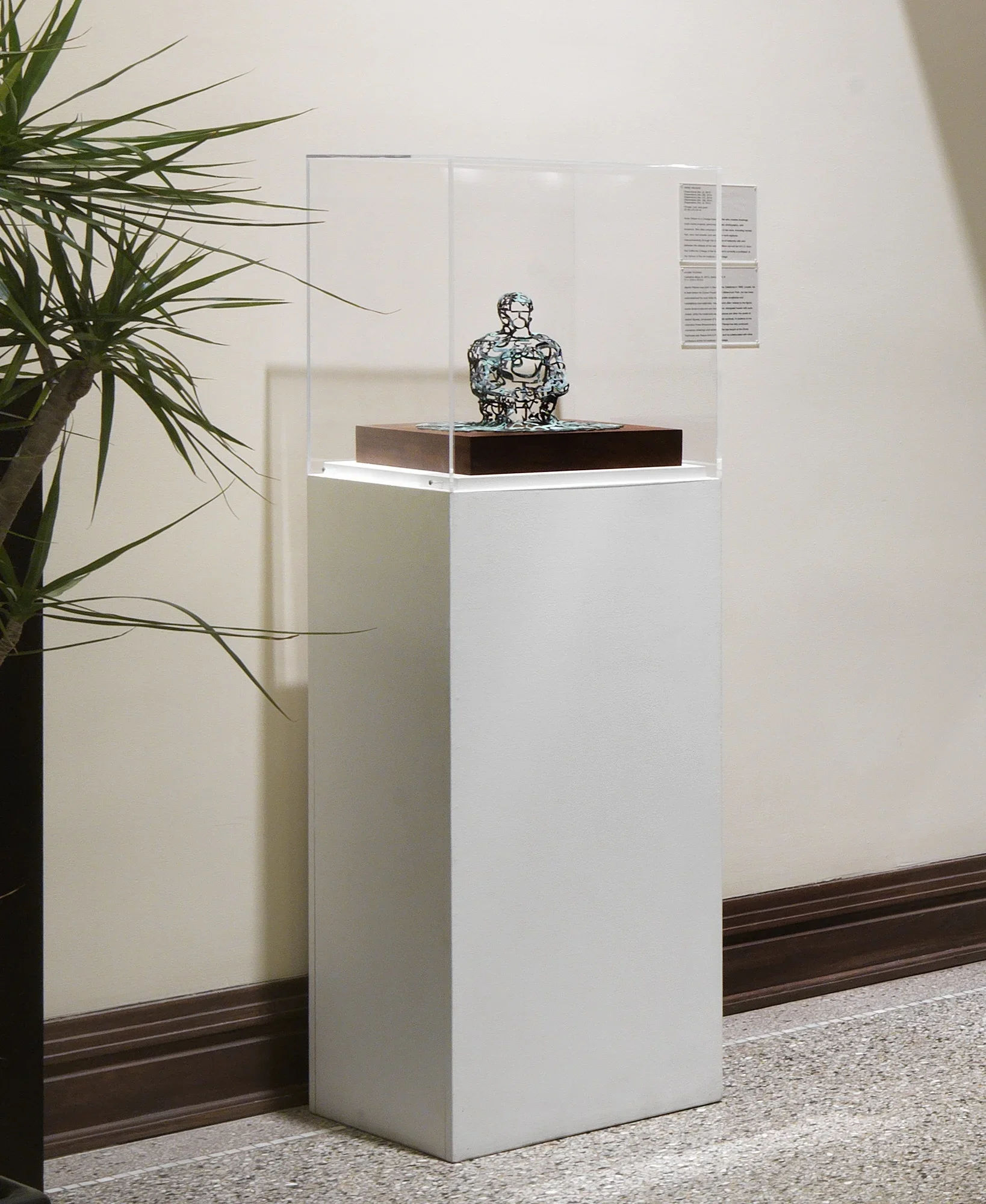
In art consulting, one of the most common materials we work with is plexiglass, a type of acrylic. This transparent thermoplastic has many applications and requires specific care. When maintained correctly, plexiglass can be a long-lasting material that protects artwork from the elements.
ACRYLIC IN FRAMING
When framing works on paper, plexiglass is used to protect the surface of the artwork. Sometimes referred to as "glazing," this plexiglass is available in many varieties and can be selected based on which characteristics best fit the artwork’s needs. A common archival consideration when framing artwork is to use glazing that blocks UV rays. UV rays from the sun (or even from older lighting fixtures) can damage and fade pigments in artwork, lowering the aesthetic and financial value of a piece.
If a work on paper has an especially intricate surface texture, another option is to select a non-glare plexiglass. This is available with UV protection as well and has a matte finish that makes it easier to see the details clearly.
VITRINES
Three-dimensional artwork can also benefit from acrylic’s archival protection. Sculptures on pedestals can be housed in custom plexi boxes, also known as vitrines, built to protect them from the elements while still allowing the work to be viewed clearly from 360 degrees. Other artifacts or wall-mounted sculptures can be encased in plexi shadow boxes that mount inside frames, protecting works displayed on a wall.
LABEL COVERS
An important part of any artwork collection is signage that adds context to the art. We fabricate labels from vellum, custom paper, or mylar to provide information about artists and their work. We use thin, custom-cut acrylic to protect these labels because it is easy to read, clean, and reuse. The labels can have holes drilled to accommodate installation hardware or fit inside aluminum sleeves, depending on a collector’s design preference.
ADVANTAGES OF ACRYLIC
We use plexiglass when designing custom frames and displays for artwork because it provides customizable archival protection. Acrylic doesn’t interact with chemicals on the surface of artwork, and when correctly implemented, the artwork won’t leave a stain on it. Acrylic glazing is durable and doesn’t carry the risk of shattering like glass. To ensure long-term protection, we take precautions, including never using products designed for glass, like Windex. We use cleaning materials designed for plexiglass, sprayed onto archival paper, to apply them. This keeps the acrylic clear and minimizes scratches. Although plexiglass is easier to scratch than glass, scratches can be buffed out with specific care products.
Acrylic has broad applications in protecting artwork, artifacts, and historical documents. It’s one of the easiest archival materials to maintain when cleaned and treated correctly, and it’s a minimal investment that can showcase items in a collection while shielding artwork from direct touch, dust, and UV rays.